- HES@hiroshima-energysupply.com
- 0919316889
LPG (Liquefied Petroleum Gas) LPG is a popular energy source in many industries due to its high efficiency and versatility. However, the use of LPG also poses many risks if strict safety measures are not followed. This article will provide important guidelines to ensure the safe use of LPG in industrial environments.
LPG is a flammable gas mixture, including propane and butane, compressed into liquid form for easy transportation and storage. Outstanding properties of LPG include:
Flammable: LPG can form flammable mixtures with air in the range of 1.8% to 9.5%, posing a high risk of fire and explosion if not properly controlled.
Heavier than air: When LPG leaks, it will accumulate in low areas, increasing the risk of suffocation and explosion.
Colorless, odorless: Although natural LPG is odorless, odorants are often added to make leaks easier to detect.
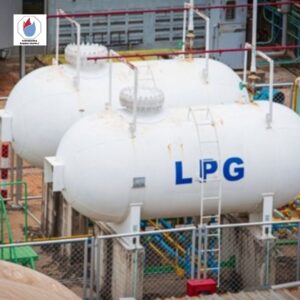
Proper storage of LPG is important to prevent accidents:
Storage location: Place LPG cylinders in a well-ventilated area, away from heat sources, sparks and flammable materials.
Safe distance: Ensure minimum distance between tanks and between tanks and other structures according to current regulations.
Ventilation system: The storage area must have effective ventilation to prevent accumulation of LPG gas.
Warning signs: Post clear signs about fire hazards and no open flames in storage areas.
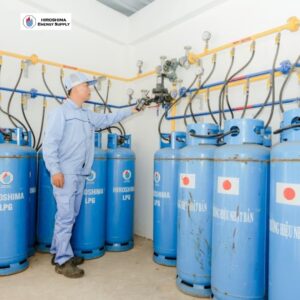
When using LPG in industry, the following principles must be followed:
Leak test: Regularly check piping systems, valves and connections to detect and promptly repair leaks.
Safety equipment: Install safety valves, pressure relief valves and emergency shut-off systems to control pressure and prevent accidents.
Standard operating procedure: Develop and adhere to standard operating procedures (SOPs) for all LPG related activities.
Staff training: Organize periodic training for employees on LPG safety knowledge, incident handling skills and use of personal protective equipment (PPE).
In case of an accident, the following steps should be taken:
Disconnect power supply: Quickly close the main valve to stop the LPG supply.
Area evacuation: Move all personnel out of the danger area to a safe place.
Urgent Notice: Contact the fire department and authorities immediately for assistance.
Use appropriate fire fighting equipment: If possible, use a CO₂ or dry powder fire extinguisher to extinguish small fires. Do not use water to extinguish LPG fires.
Regular maintenance helps ensure stable and safe system operation:
Check the device: Perform periodic inspections of tanks, pipes, valves and related equipment to detect damage early.
Replace damaged components: Replace worn or damaged parts promptly to avoid problems.
Maintenance records: Maintain detailed maintenance records to track history and plan future maintenance.
Compliance with safety regulations and standards is mandatory:
National and international standards: Apply standards such as TCVN, ISO, OSHA to ensure safety in design, installation and operation of LPG systems.
Testing and certification: Conduct inspections and receive certification from competent authorities on LPG safety.
Update information: Regularly update the latest LPG safety regulations to ensure compliance.
Building a safety culture helps raise employee awareness and responsibility:
Incident reporting is encouraged: Create an environment that encourages employees to report potential risks and incidents without fear of retribution.
Continuing Education: Provide ongoing training on LPG safety and troubleshooting skills.
Effectiveness evaluation: Regularly evaluate the effectiveness of safety measures and improve as necessary. 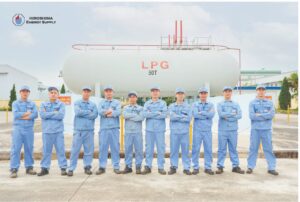
Safe use of LPG in industry requires strict adherence to measures from storage, operation to incident handling. Investing in safety not only protects human lives but also ensures continuous and efficient production.
Hiroshima Energy Supply We are proud to be a trusted partner providing high quality LPG and safety support services according to Japanese standards. We are committed to bringing safety, peace of mind and comfort to customers through optimal energy solutions and professional services.


 EN
EN  VI
VI  JA
JA
Leave a comment